

The year 2026 has begun on a disappointing note for India’s space programme. On Monday, January 12, ISRO’s first mission of the year—PSLV-C62—ended in failure due to a major technical malfunction. This setback follows a similar failure in May 2025, when the PSLV-C61 mission could not achieve its intended objectives, raising concerns over recurring issues in the otherwise reliable launch vehicle.
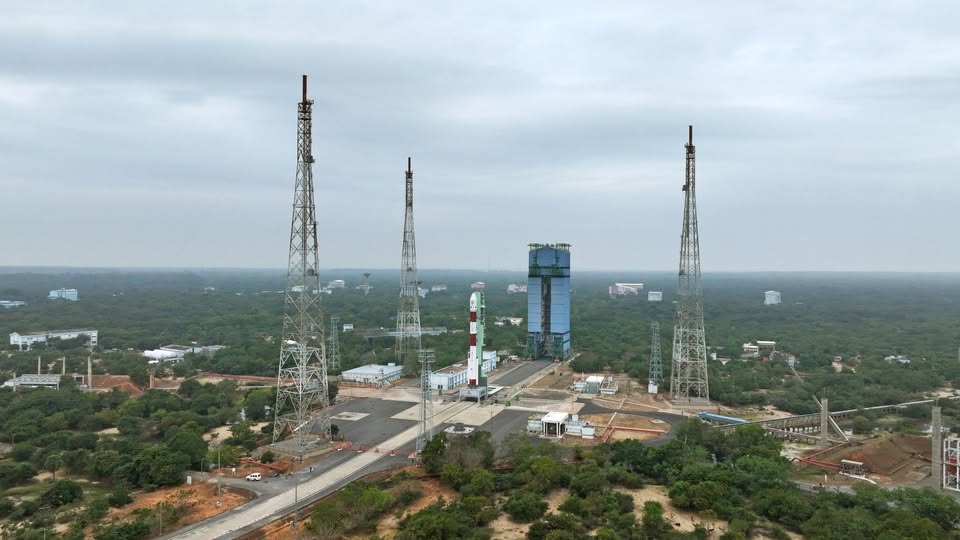
The PSLV-C62 rocket lifted off smoothly from Sriharikota at 10:18 am. However, around eight minutes after launch, a performance anomaly was detected in the rocket’s third stage, causing it to deviate from its intended trajectory and fail to place the satellites into their designated orbit.
ISRO Chairman’s Statement
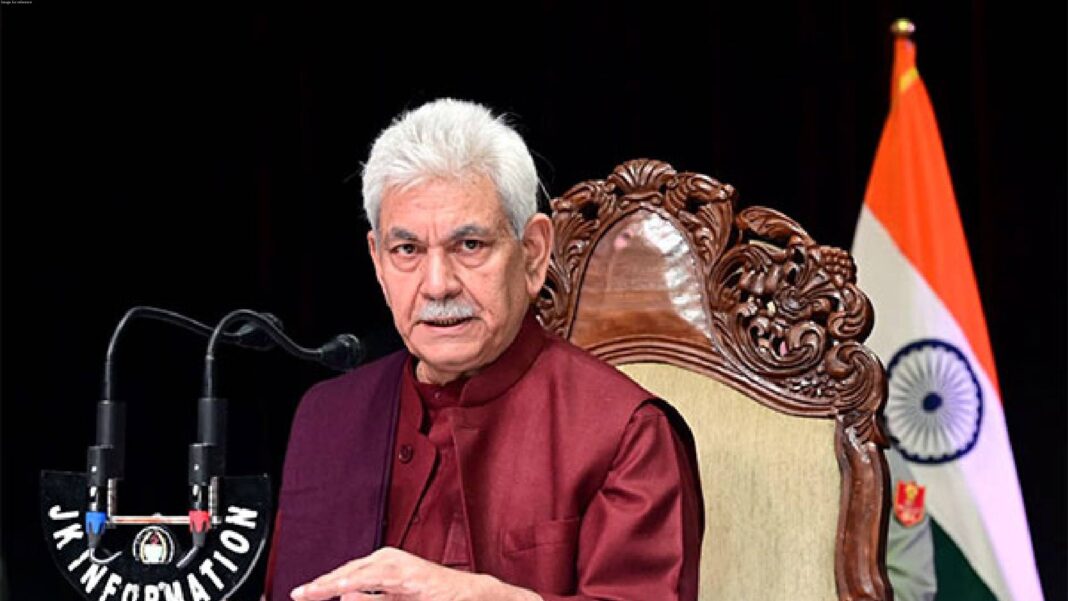
ISRO Chairman V. Narayanan, in a post-flight briefing, confirmed the technical issue.
“There was a technical anomaly during the mission. The initial flight stages performed as expected, but in the third stage (PS3), a sudden drop in chamber pressure resulted in insufficient thrust,” he said.
He further explained that the loss of thrust led to a significant deviation from the planned flight path, making it impossible to inject the satellites into orbit.
Failure Analysis Underway
ISRO has constituted a Failure Analysis Committee to investigate the incident in detail. The committee will examine all telemetry data and conduct a thorough inspection of the flex nozzle under similar load conditions to determine the root cause of the pressure drop and performance loss.
The back-to-back failures of PSLV missions have prompted renewed scrutiny of system reliability, even as ISRO works to identify and rectify the underlying issues to restore confidence in one of its most trusted launch vehicles.