

Surinder Sharma
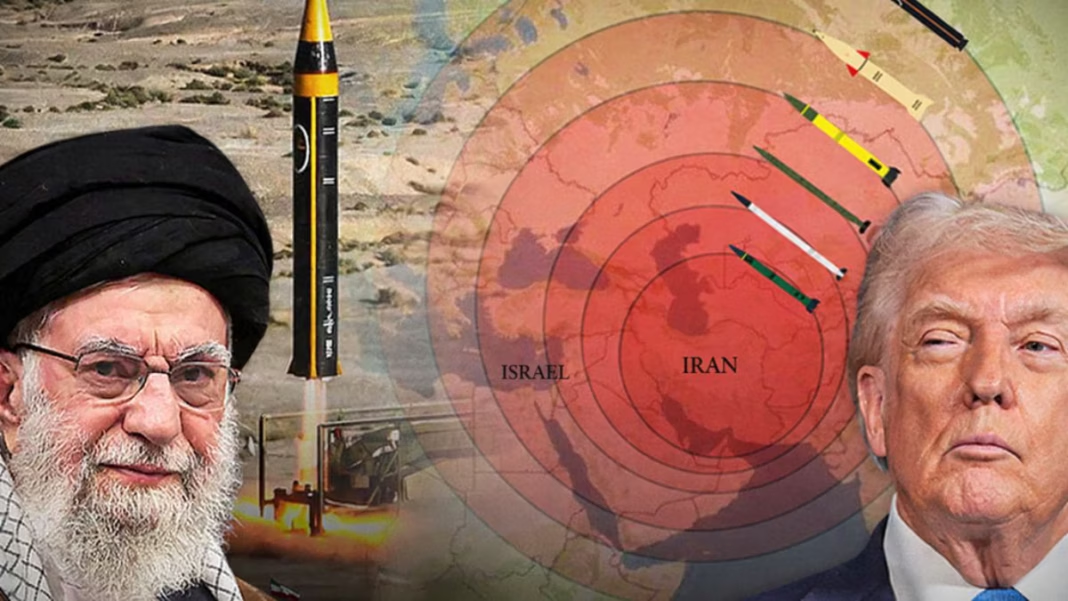
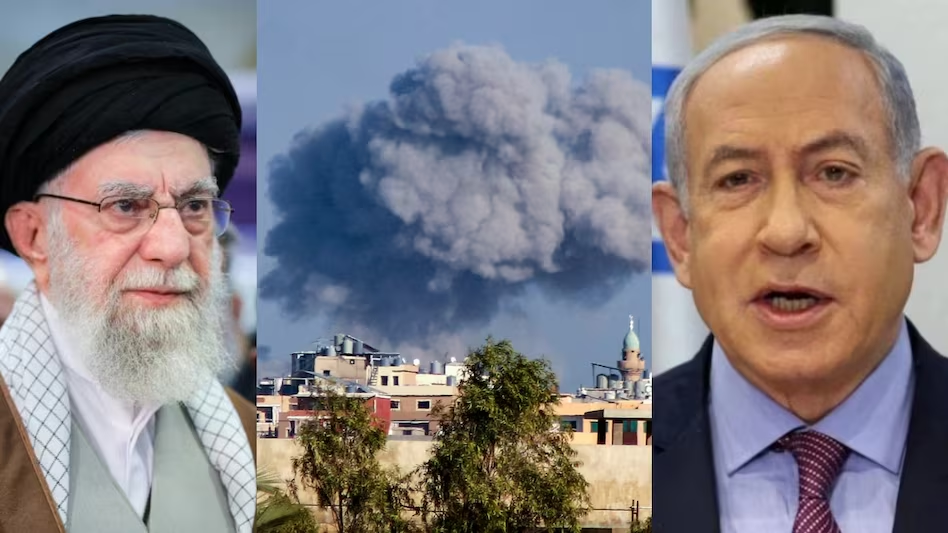
The United States and Israel are carrying out sustained strikes on Iran, and reports claim that Iran’s Supreme Leader Ayatollah Ali Khamenei has been killed in the attacks. In retaliation, Iran has fired missiles at Israel and at US-linked targets across several countries, including Saudi Arabia, Qatar, the United Arab Emirates, Oman and Kuwait, sharply escalating tensions across the Middle East.
The conflict has triggered global alarm. But how did two countries that once maintained friendly ties become bitter enemies? The roots of today’s hostility run deep into history.
Early Recognition and Strategic Ties
When Israel was established in 1948, Iran became the second Muslim-majority nation after Turkey to recognize it. Despite opposing the 1948 UN partition plan for Palestine, Iran formally acknowledged Israel as a state.
Until 1979, relations between the two countries remained largely cordial. Iran, then ruled by the Pahlavi monarchy under Shah Mohammad Reza Pahlavi, was a key US ally in the region. Israel’s founding Prime Minister David Ben-Gurion laid the foundation for ties with Iran despite opposition from Arab neighbors.
The 1979 Islamic Revolution: A Turning Point
Everything changed in 1979 with the Islamic Revolution led by Ayatollah Ruhollah Khomeini. The Shah was overthrown and Iran became an Islamic Republic. Khomeini positioned himself as a defender of the oppressed and rejected what he described as American and Israeli “imperialism.”
The new Iranian government severed all diplomatic ties with Israel, invalidated Israeli passports, and handed over the Israeli embassy in Tehran to the Palestine Liberation Organization, which advocates for Palestinian statehood.
According to analysts, opposition to Israel became a core ideological pillar of the Islamic Republic. Several Iranian leaders had previously supported Palestinian guerrilla movements in Lebanon, deepening their commitment to the Palestinian cause. Tehran sought to present itself as a leading Islamic power championing Palestinian rights at a time when many Arab states had deprioritized the issue.
Rising Tensions and the “Shadow War”
In Israel, Iran was not initially viewed as the primary threat. During the 1980s and early 1990s, Saddam Hussein’s Iraq posed a greater concern. In fact, Israel played a role in the Iran-Contra affair, during which the United States supplied arms to Iran during its war with Iraq.
However, by the late 1990s and early 2000s, Israel increasingly viewed Iran as an existential threat. Tehran built what it calls the “Axis of Resistance,” a network of allied groups including Hezbollah in Lebanon and other militias operating from Lebanon to Yemen. Israel has conducted repeated strikes against these groups in what is widely described as a “shadow war,” involving covert operations without formal acknowledgment.
Nuclear Program and Covert Operations
A central point of conflict remains Iran’s nuclear program. Israel insists that Tehran’s nuclear ambitions go beyond civilian purposes and pose a direct threat to its security. Cyberattacks such as the Stuxnet virus reportedly targeted Iranian nuclear facilities, causing significant disruption.
Iran, in turn, has accused Israel of assassinating key nuclear scientists, including Mohsen Fakhrizadeh, who was killed in 2020.
From Strategic Partners to Arch-Rivals
The transformation of Iran and Israel’s relationship—from quiet strategic partners to open adversaries—was driven by ideological shifts, regional power struggles, and competing security doctrines. Today’s confrontation reflects decades of deepening mistrust, proxy conflicts, and unresolved geopolitical rivalries that continue to destabilize the Middle East.